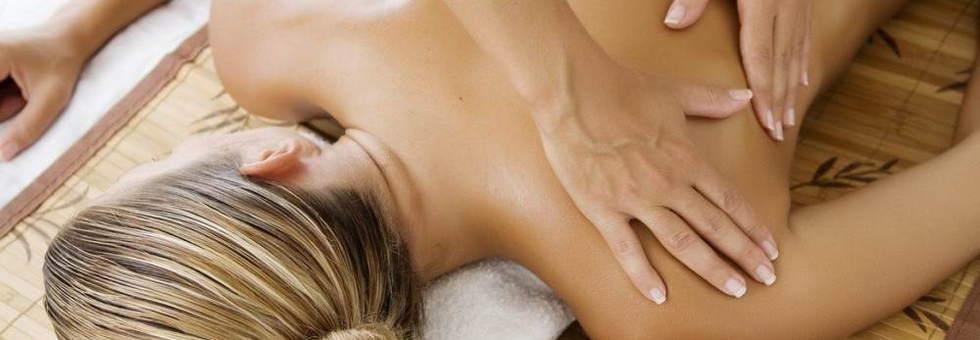
Today, there is a huge amount of conflicting information about traditional Thai massage. Many uninformed people associate it with intimate services or exotic acts. But that's not at all what this spa procedure is about. During the session, the client's body and muscles are worked on intensively, passive physical exercises comparable to yoga are performed, along with joint stretching and the restoration of life energy.
The history of this technique dates back two thousand years, and its roots began growing from Indian and Chinese folk medicine.
Varieties
Currently, two types of the procedure are distinguished:
- the general type, practiced in salons and Asian countries for tourists. A distinctive feature of this variety is the use of the palms, fingers, elbows, feet, shoulders, and knees — meaning the therapist maintains constant close tactile contact with the client;
- the royal type. This variety is characterized by a constant distance kept between the massage therapist and the client; during the session, the therapist moves on their knees alongside the client's body. This technique involves the use of the thumbs, with the palms rarely used.
Results of the Procedures
By visiting a massage salon, you are guaranteed to receive:
- reduced swelling and improved blood flow, thanks to skin stimulation and warming;
- removal of toxins, relaxation of muscles and tendons;
- activation of normal nervous system function;
- stabilization of digestive system function (when the abdominal area is worked on);
- improved skin condition, due to increased blood flow to the skin cells.
Like any other procedure, Thai massage has a number of contraindications. These include:
- high body temperature;
- infectious illnesses;
- muscle inflammation;
- pregnancy;
- fractures and sprains;
- skin diseases. In case of a non-infectious condition, the massage can be performed, avoiding the affected areas;
- being under the influence of alcohol or drugs.
It's not recommended to have a session on an empty stomach or right after a heavy meal. In the first case, a light meal should be eaten beforehand; in the second, the therapist avoids positions that could compress the stomach.