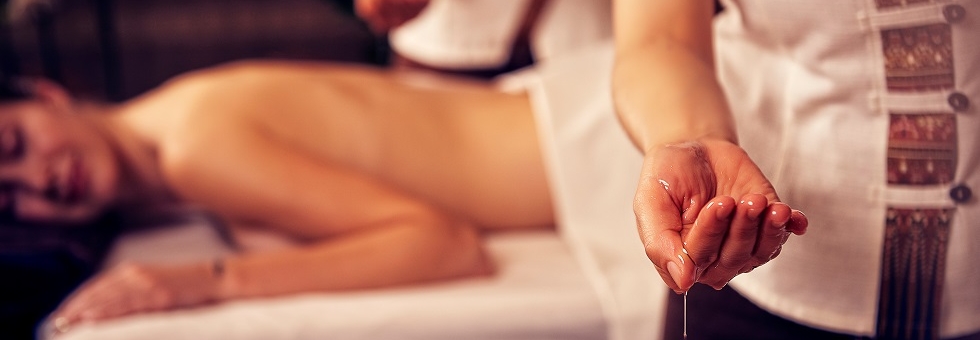
The importance of taking care of the body and how it relates to beauty, health, mental balance and longevity has been known since antiquity. This is evidenced by ancient artifacts, manuscripts, frescoes, found ruins of baths and baths.
Many SPA traditions are still preserved today, and some are rediscovered after studying papyrus and vials of essential oils.
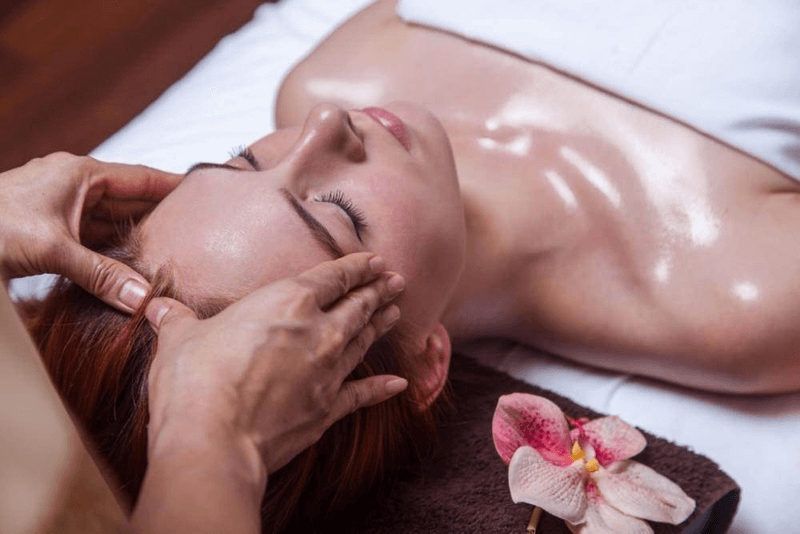
History of SPA-traditions: from ancient rituals to modern salons
Since ancient times the use of cold and hot springs for hygiene and ritual purposes has been practiced, as evidenced by archaeological finds in different parts of the world: Italy, France, England, Greece, Japan, Egypt, America.
Among the famous baths are:
- Roman Thermae
Public baths that were built on a grand scale. The first structures appeared even earlier than the Colosseum and were so popular that they continued to operate until the early Middle Ages.
Along with the small thermae for the elite, there were also huge ones for 2,500 people with an open entrance for all citizens. There were several rooms where people not only bathed, but also socialized, relaxed, made appointments, read, and even enjoyed a theatrical performance.
- Egyptian bath
It was a large pool in the center with stone beds around it. In the main hall, copper pipes in the walls carried hot steam from the lower floor, where the water was constantly heated in huge vats.
- European baths
They did not appear until the early Middle Ages. There were few public facilities, and in wealthy homes, a large barrel was mainly used, where heated water was poured in, sometimes with herbs for therapeutic effect. To prevent the water from cooling down too quickly, it was covered with sheets with a slit in the center for the head, reminiscent of the modern phytobask.
- Turkish bath
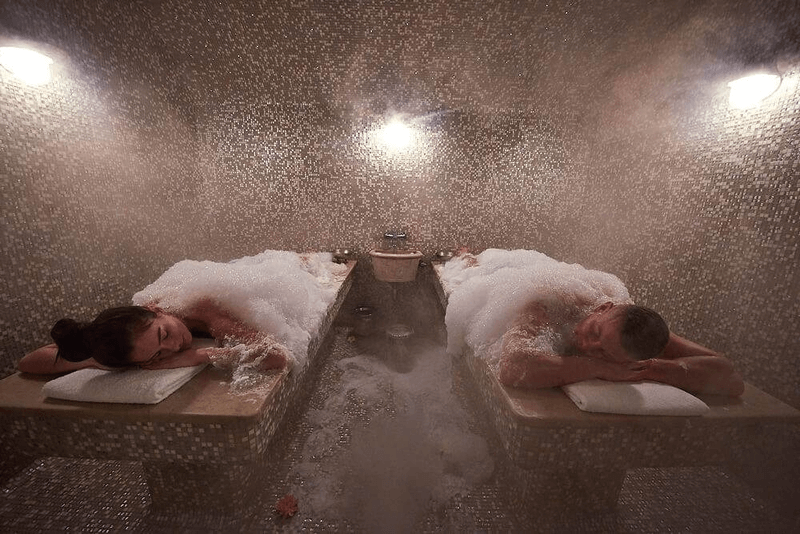
Known as a hammam. In translation it means "hot water", and literally — a bathhouse. Its roots go back to the Roman and Egyptian, and therefore the principle of operation is similar — from the boilers with hot water in the walls there are pipes, through which the steam goes to the main hall. In hammams people rest and relax, and due to the comfortable temperature of about +50°C they can spend the whole day in it, moving from one room to another.
- Finnish sauna
Another ancient steam room, which is about 2,000 years old. However, unlike the Turkish, Egyptian and Roman baths, where there is a lot of steam and low temperature, the Finnish sauna is the opposite - red-hot dry air. In its homeland, its popularity is so great that it is an obligatory attribute of every house and is in many apartments.
Other cultures have their own versions of baths, such as the indigenous peoples of the Americas, Africa, Japan, Ireland, and Tibet. Many of them have retained their authentic flavor, but adapted to modern realities.
What does the acronym SPA stand for and how did this tradition originate?
It is impossible to say exactly where the concept of spa originated, but there is a version that it is named after the Belgian village of Spa. Allegedly, once Roman soldiers realized that if you bathe in the local mineral spring, the wounds received in battles healed faster and without complications, and old injuries stopped bothering. The very name "SPA" (salus per aquam) is Latin for "health in water".
Ancient healers noticed how hot steam or a bath with heated water relaxes the body, so that muscles and joints stop whining and lumbar pains go away. And if you use herbal decoctions, oils and extracts from plants, it has a beneficial effect on the skin and soothes the respiratory tract.
Even Hippocrates prescribed to his patients therapeutic baths with essential oils and herbs, and advised regular visits to the baths to strengthen and maintain general health.
Spa procedures the whole day are calculated for, but taking into account the peculiarities of each organism, indications and contraindications.
What SPA procedures have preserved ancient traditions in our days?
Along with the traditions of the past, when the use of herbal decoctions, hot steam and massage prevailed, modern spas have been supplemented with new accessories and cosmetic products: scrubs and peelings, hardware manipulations, wraps, masks with clay, vitamins and minerals.
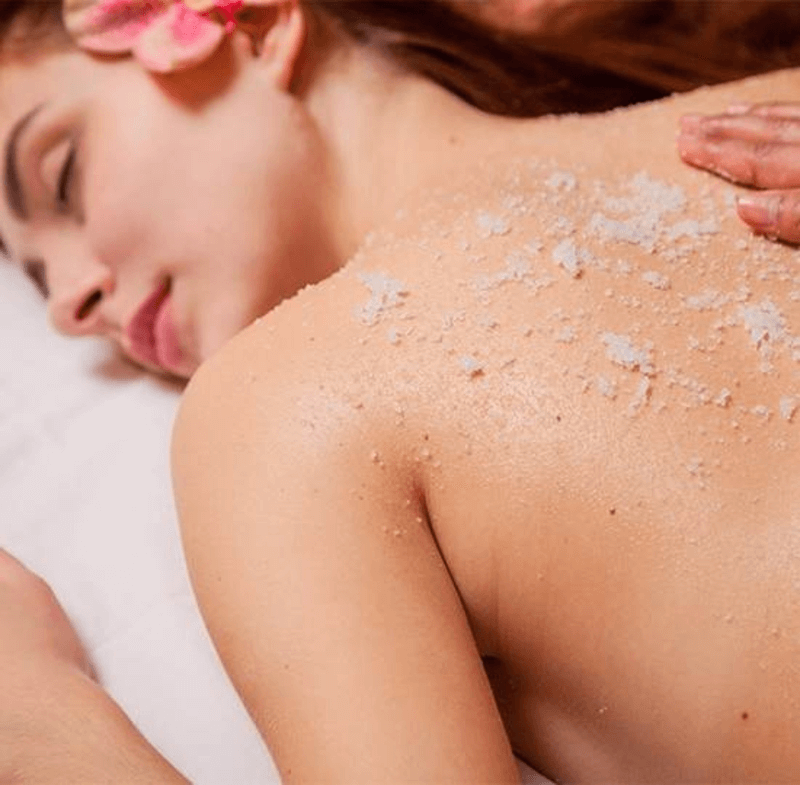
You can order complex procedures for face and scalp, hands and feet, for the whole body, Thai or anti-cellulite massage, with aroma bags, hot stones or gourmet chocolate SPA ritual.
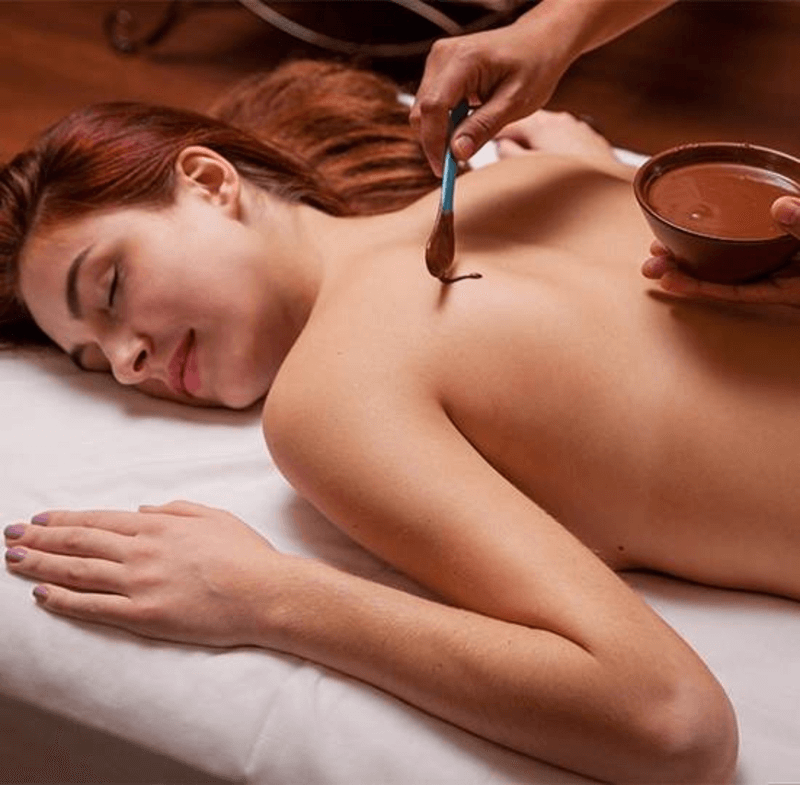
Thai massage as a vivid example of the world SPA-culture
Traditional Thai massage has evolved gradually, absorbing observations of how the human body reacts to different therapies. It is based on the established knowledge of traditional medicine along with the experience of Chinese and Indian cultures.
One of the directions is acupressure. This is an influence on different points of the body, which triggers the process of recovery. Another component of the teachings is yoga. It involves influencing muscles by stretching and twisting, which is also part of Thai massage.
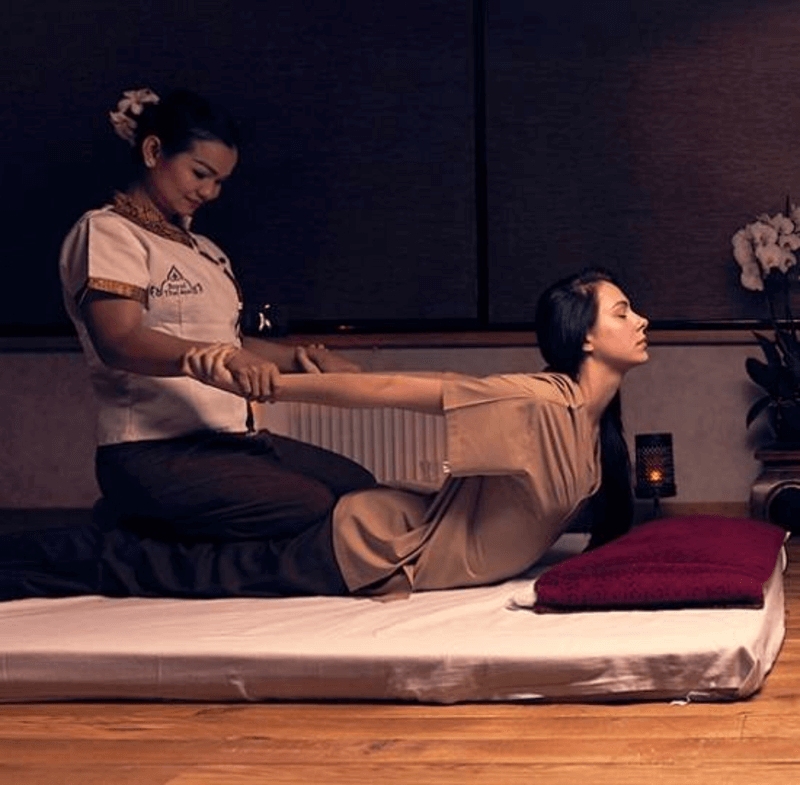
A classic of Thai yoga massage, when the master gradually passes over the whole body, changing its position. It is more like gymnastics, and the procedure itself is performed in clothes and without the use of cosmetics.
Aroma massage is done for the whole body using natural oils. It is a light stroking movement to improve blood circulation and lifting.
A foot massage involves influencing the biologically active points of the foot, which are connected to all organs and parts of the body. This improves the overall tone and triggers a healing effect in problem areas.
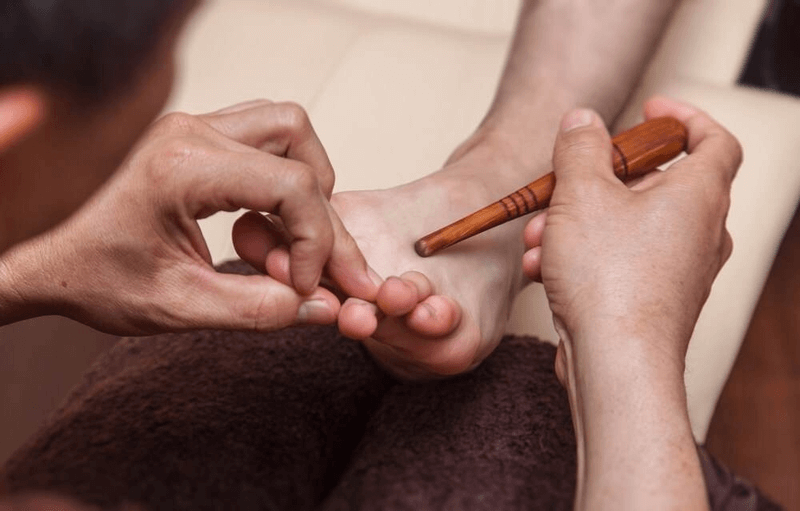
Massage with herbal sacks (pahop) also came to us from antiquity. The cloth is wrapped with ecologically pure herbs: tamarind, lemongrass, lavender, ylang-ylang, camphor, sage, turmeric, lime and ginger. To reveal their therapeutic properties, the bags are steamed with hot steam. This massage has a beneficial effect on muscle tone, relieves joint pain, boosts blood flow and accelerates metabolism.
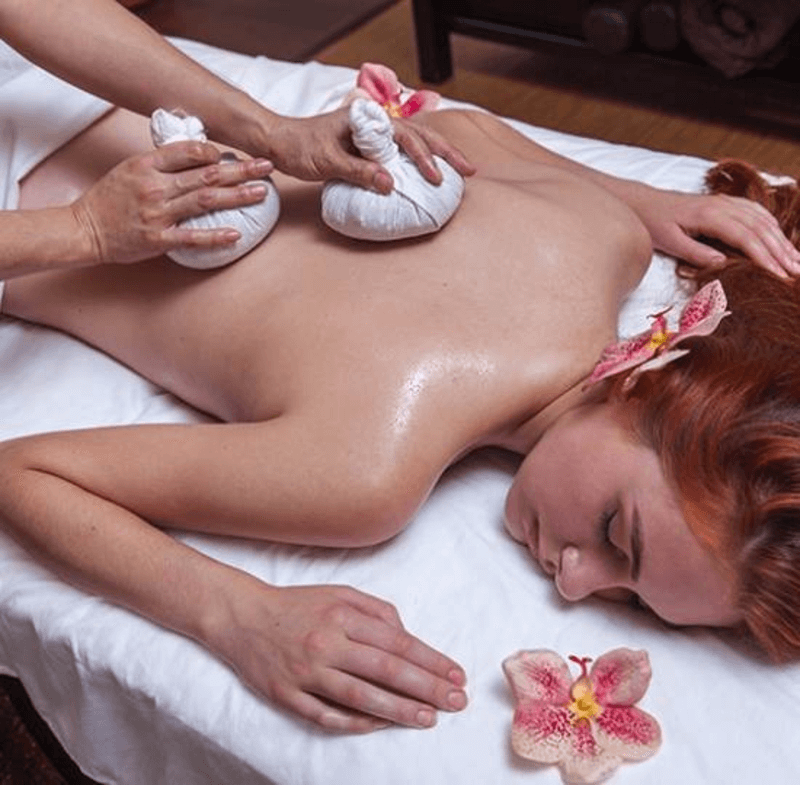
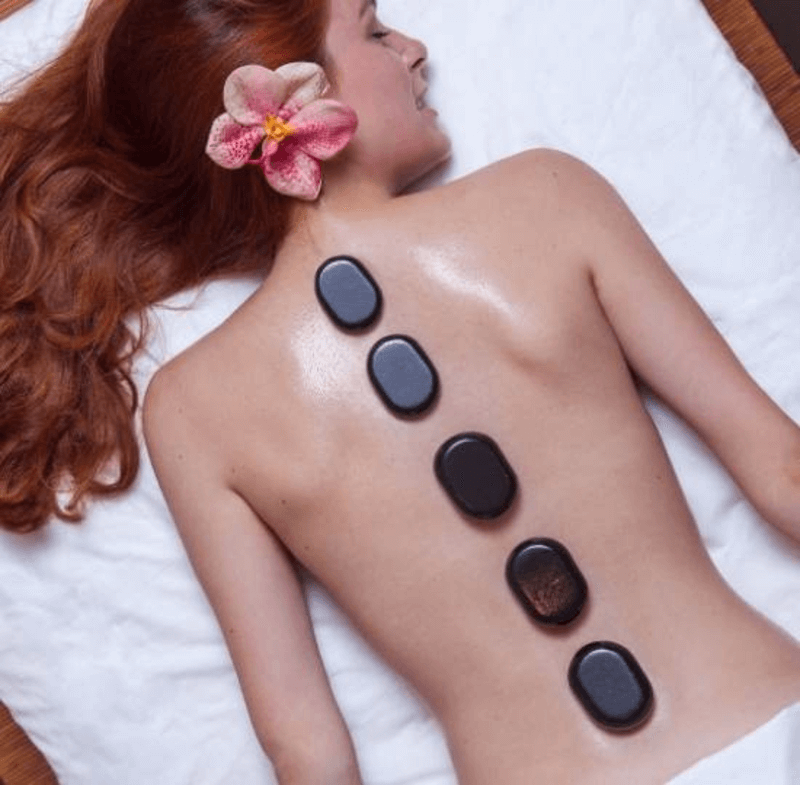
The use of hot stones is also a success. After a relaxing massage, the master places heated basalt stones on energy points to prolong the healing effect on them.
Yon-Ka hot aroma candle massage is an element of Ayurveda. A candle made of natural oil is melted and rubbed warm into the skin. After this procedure, the skin remains moisturized and silky for a long time, and the soul comes into balance with the body.
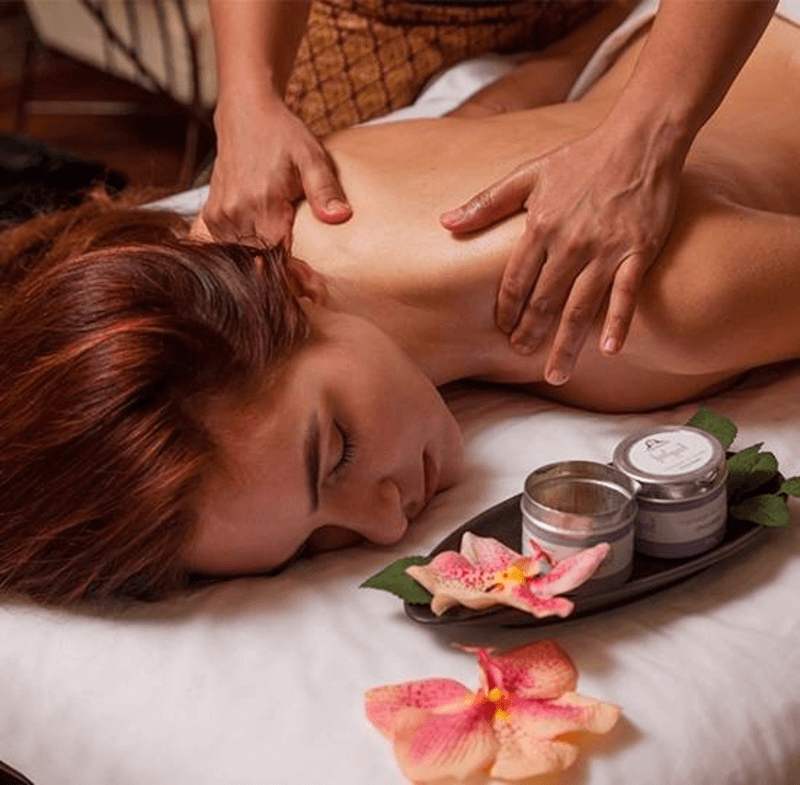
Among the Thai massage options, there is even a children's massage for pregnant and nursing moms.
What exotic SPA procedures can you try in the salon?
The massage that everyone definitely needs is an anti-stress massage. A sedentary lifestyle, constant nervous tension, incorrect posture behind gadgets — all this leads to back pain. Using balms and oils, the master of the Royal Thai Spa salon goes over the entire spine and muscles, gradually relaxing all areas.
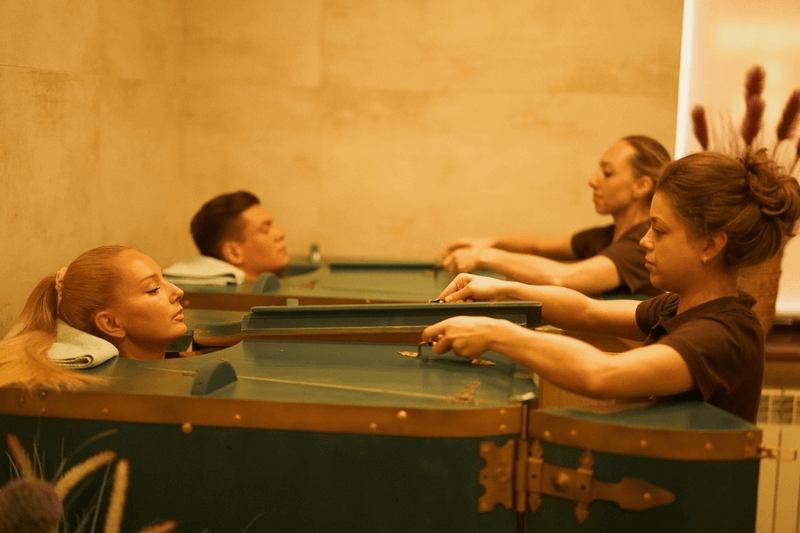
Phytobarrel combines elements of phytotherapy and sauna. You are immersed in a wooden tub with warm steam saturated with natural extracts. It helps to relax, strengthens immunity, improves skin condition, blood circulation, relieves muscle and joint pains, and also helps to get rid of extra pounds.
From our modern range we offer Endosphere for body and face. This is an apparatus massage based on compression micro-vibration. Its purpose is to improve lymph and blood circulation, eliminate cellulite, tighten facial contours and improve the appearance of the skin.
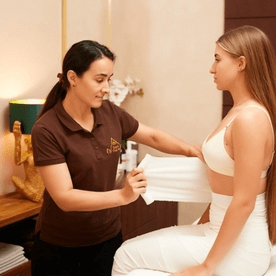
Another interesting variant of health procedure and slimming in Royal Thai Spa is whisky wrap. The result is noticeable already after several procedures. The essence is the thermal effect during wrapping with a film after therapeutic mud, seaweed, caffeine and essential oils have been applied to the problem areas of the body.
Oriental rituals: hammam, phytobarrel and stone therapy
Hammam, phytobarrel and stone therapy are all elements of oriental rituals that emphasize a unique combination of physical and spiritual cleansing, relaxation and restoration of vitality.
Hammam
Unlike a sauna or bath, a hammam uses mild steam and moderate temperature, which is more comfortable for people with sensitive skin and cardiovascular disease.
Stages of the hammam:
- Gradual warming to open pores and adapt.
- Peeling with a hard kese mitt to remove keratinized skin cells and stimulate blood circulation.
- Soap massage with olive soap.
- A dousing with cool water to close pores and tone the skin.
- Relax in a cool room while enjoying a cup of herbal tea.
The benefits of hammam are deep cleansing, improved blood circulation, relief of muscle tension and stress, and improved sleep.
Phytobarrel
A phytobarrel is a mini-sauna, but more comfortable. The procedure is quite simple — you immerse yourself in a cedar tub with steam, which is saturated with herbal essences. While your body is inside the tub, your head stays outside. This allows you to avoid overheating and feel comfortable.
Stone therapy is based on massage using hot and cold stones. Hot stones help to relax muscles and improve circulation, while cold stones help to reduce inflammation and tone the skin.
Benefits of Stone Therapy:
- Absolute muscle relaxation.
- Pain and tension relief.
- Improving blood circulation and lymph flow.
- Stress relief and improved sleep quality.
- Increased vitality.
Aromatherapy and Thai herbal compresses — the secret of youth from Thailand
In spas, herbal healing (Luk Pra Kob) has already become a common healing practice. It is the use of compresses with herbal mixtures that are applied to the body after being heated beforehand.
Based on traditional Thai medicine, aromatherapy and herbal compresses are seen as a holistic approach that not only addresses physical ailments, but also aims to balance the flow of energy in the body, relaxation, and beneficial effects on the skin and respiratory systems.
Why you should try exotic SPA-traditions at least once?
SPA-salons are a kind of exotic islands for a pleasant pastime and an opportunity to plunge into the culture of another country.
To forget about everyday worries for a while, immerse yourself in a world of harmony and pleasure, experience the wonders of the healing properties of plants and minerals, and learn more about the Eastern philosophy of health and beauty, visit the Royal Thai Spa.
Once you try exotic SPA procedures, you will discover new facets of pleasure.