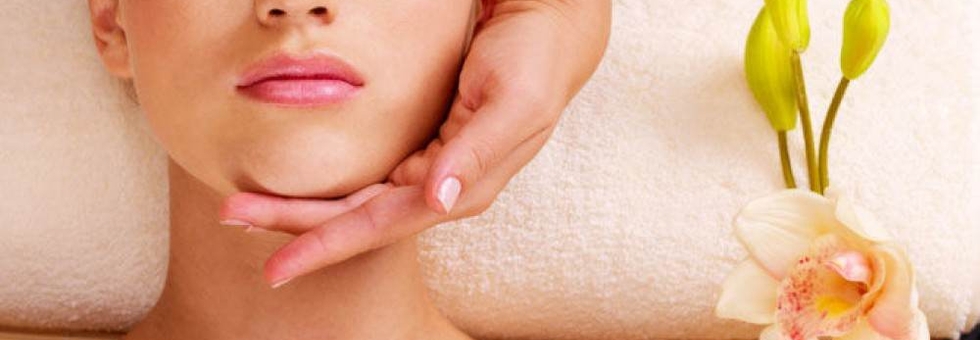
There are about 70 muscles in the human face. Thanks to them, we are able to express emotions such as laughter, surprise, anger, and irritation. However, they are also responsible for the formation of wrinkles and skin creases. Of course, much depends on individual characteristics: genetics, lifestyle, and facial expression habits.
After the age of 25, the body’s regenerative processes begin to slow down, and the skin starts to experience a lack of oxygen and nutrients. From this age onward, it requires special care. Facial massage is an excellent solution, as experts believe it helps restore muscle tone and tighten the skin.
It is well known that Natalie Portman and many other celebrities regularly choose this procedure. For several thousand years, massage has been used not only for cosmetic purposes but also for therapeutic treatment. Today, there are many different techniques aimed at strengthening the skin, improving its condition, treating various concerns, and rejuvenating the face.
Massage is recommended to relax the muscles, improve blood circulation, normalize fluid drainage within the body, and eliminate toxins. It also helps maintain facial contours, reduce puffiness, prevent the appearance of wrinkles, relieve stress, and improve mood.
Facial massage is suitable for almost everyone. However, it should not be performed if you have a high body temperature or high blood pressure, as well as in the presence of skin injuries or diseases, thyroid disorders, chronic diseases in the acute stage, or systemic diseases such as tuberculosis, cancer, etc. As for age restrictions, there are virtually none.
Facial massage improves blood microcirculation and activates metabolic processes, which contributes to skin cleansing. Sometimes, after a massage, a person may look worse than before the procedure. This usually means the massage was performed incorrectly without considering the client’s health condition. Mistakes made by an inexperienced massage therapist can cause noticeable harm, emphasizing wrinkles or triggering skin breakouts. To avoid this, it is important to choose an experienced professional whom you can confidently trust with your face, such as the specialists at our network of spa salons.
In most cases, it is a pleasant procedure that also includes work on the neck and décolleté area. Depending on the skin type and the selected technique, the massage is performed using oil, cream, or talcum powder. It is usually recommended once every three days, with a course consisting of 10 sessions, repeated twice a year.
Secrets of Self-Massage
Don’t have time to visit a SPA salon? Practice self-massage! Of course, it differs from a professional treatment, but it is still beneficial. Before the procedure, thoroughly cleanse your skin and disinfect your hands with an antiseptic. Then perform four basic movements one after another—stroking, kneading, pinching, and tapping—following the massage lines: from the center of the face toward the outer edges, from the outer corner of the eye toward the inner corner, along the brow bone from the center of the forehead toward the temples, from the sides of the nose toward the temples, and from the corners of the mouth toward the ears. Proper home skincare is also important and complements professional salon treatments. Even while applying skincare products, you are performing a form of self-massage—for example, by using gentle tapping motions to help the cream absorb better.
In general, skincare is a daily and meticulous process. Proper nutrition, healthy sleep, fresh air, and your overall physical condition are all reflected in the appearance of your face, while massage can become an additional procedure that helps preserve youthfulness and attractiveness.