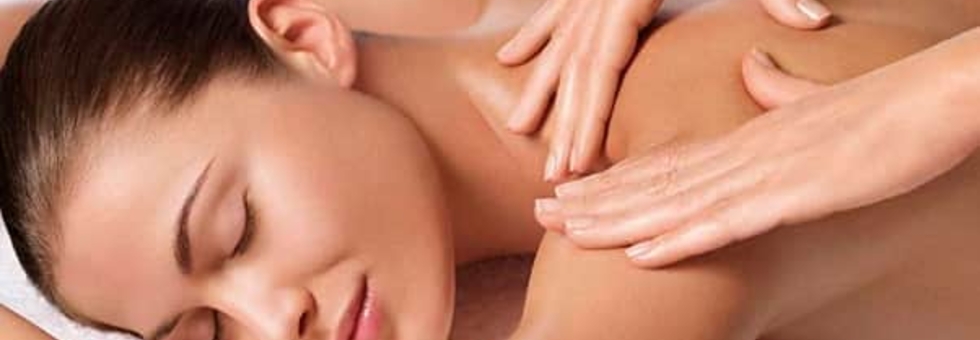
Classical medicine very often uses traditional Thai massage and other varieties to prevent or ease the course of illness and restore physical strength. In some cases, such treatments are used as a standalone method; other times, they complement therapeutic approaches.
Main Directions
Any variety of massage can only be performed by qualified specialists who have completed both theoretical and practical training. Basic knowledge can be found on the internet, but it cannot serve as a solid foundation for correctly and successfully working on the muscles and tissues of the human body.
Today, when visiting a massage salon, you can take advantage of various services that differ in technique and purpose. Each type is aimed at addressing specific needs, for example:
- Classic. This is the most popular procedure. During the session, the therapist pays close attention to a person's painful areas.
- Acupressure. Belongs to the Eastern tradition of acupuncture. The therapist uses their fingers and elbows to reduce pain and ease the physical condition.
- Reflexology. This type of massage involves a close relationship between organs and tissues. During the session, nerve endings on the skin are stimulated, causing a response in the spinal cord — pain decreases or disappears.
- Children's massage. This special variety is designed for correction, treatment, and prevention of illness. Young patients are most often prescribed these treatments for issues with the musculoskeletal system, umbilical hernia, or insufficient development of physical or psychological skills.
- Connective tissue massage. Works wonderfully for conditions of the spine, joints, and bones.
- Device-assisted massage. These spa treatments rely on the use of additional tools to achieve the desired effect.
- Anti-cellulite massage. The therapist uses exclusive technologies and products. The technique is based on vibration, pressing, and friction.
- Periosteal massage. Can have a beneficial effect on the joints, the musculoskeletal system as a whole, and the lymphatic and circulatory systems. This method is characterized by the use of special accessories — vacuum rollers, ultrasound, and cupping.